Major investments in defense, power infrastructure, lithium and food production are expanding the Natural State’s opportunities for business growth.
Arkansas is entering a new phase of industrial growth as companies invest in the systems, materials and products that support the nation’s economy. Recent announcements span munitions manufacturing, electrical infrastructure, steel processing and food production, while an emerging lithium industry is opening another avenue for development.
For site selectors and corporate decision-makers, these projects illustrate a state with opportunities across several distinct regional economies.
The significance extends beyond individual announcements. New facilities can create demand for suppliers, construction services, logistics providers and workforce training. Meanwhile, expansions by established employers demonstrate the continuing role of business retention in Arkansas’s development strategy.
Together, these investments offer a picture of growth rooted in existing industrial capabilities and new market demand.
The diversity of these projects is particularly relevant to companies assessing long-term location strategies. Defense production, electrical equipment, food manufacturing and battery materials serve different customers and require different operating environments. Their presence creates several avenues for prospective investors to explore.
Rather than viewing Arkansas as a single industrial market, decision-makers can evaluate regional strengths against their own production processes, supplier requirements and plans for future expansion.

Defense Manufacturing Gains Ground
One of Arkansas’s largest recent announcements came in September 2026, when Hanwha Defense USA unveiled plans for a $2.2 billion advanced manufacturing campus at the U.S. Army Pine Bluff Arsenal.
The munitions project is expected to create close to 400 jobs over seven years. The opening of an administration headquarters marked an initial step toward the broader campus.
For Jefferson County, the planned investment represents a substantial opportunity to expand its industrial employment base. It also adds to Arkansas’s role in domestic defense production.
For manufacturers evaluating locations, the project underscores the importance of specialized facilities, industry relationships and coordinated support from state and local partners.
A project of this scale also invites a closer look at the surrounding business ecosystem. Potential suppliers must assess procurement requirements, production standards and the timing of campus development before committing resources.
Local workforce partners face a similar planning task: identifying the skills employers will need and building training pathways around them. The broader economic benefit will depend partly on how effectively those connections develop as the investment advances.
Power Infrastructure Drives New Investment
Central Arkansas is attracting manufacturing tied to the growing need for electrical infrastructure. In September, Eaton announced plans to invest more than $242 million in a North Little Rock facility expected to create 1,200 jobs.
The operation will manufacture customized electrical enclosures for Eaton’s Fibrebond business, serving data center, utility, industrial and digital communications markets. Eaton expects the facility to double its U.S. manufacturing capacity for these enclosures.

The project demonstrates how investment associated with digital infrastructure can reach beyond data centers themselves. Equipment manufacturing creates another opportunity for communities positioned to support production, assembly and distribution.
North Little Rock’s announcement places Arkansas within that broader supply chain.
For economic development leaders, the distinction matters. Communities can participate in the digital economy through the physical products that support computing, communications and power delivery.
For prospective manufacturers, the practical questions remain familiar: Can a location provide dependable utilities, suitable buildings, skilled employees and efficient shipping?
Eaton’s planned operation offers a useful starting point for examining how Central Arkansas’s assets align with those requirements and related supplier opportunities.
Metals and Food Production Reinforce Established Strengths
Arkansas’s metals sector continues to attract investment in downstream processing. In April 2026, Marubeni-Itochu Steel America announced a steel processing plant in Mississippi County representing more than $37 million in investment and an expected 35 new jobs.
The announcement adds another operation to northeastern Arkansas’s metals economy. For industrial users, the continued development of processing capacity can strengthen the region’s appeal as a location for related manufacturing and supplier activity.
Downstream investment deserves attention because the value of a metals cluster extends beyond primary production. Manufacturers must consider how material is processed, transported and delivered to their facilities.
Proximity to relevant operations may offer opportunities to coordinate supply schedules and production needs, depending on product specifications and commercial relationships. Evaluating those connections gives site selectors a more useful picture of the region than investment totals or employment figures alone.
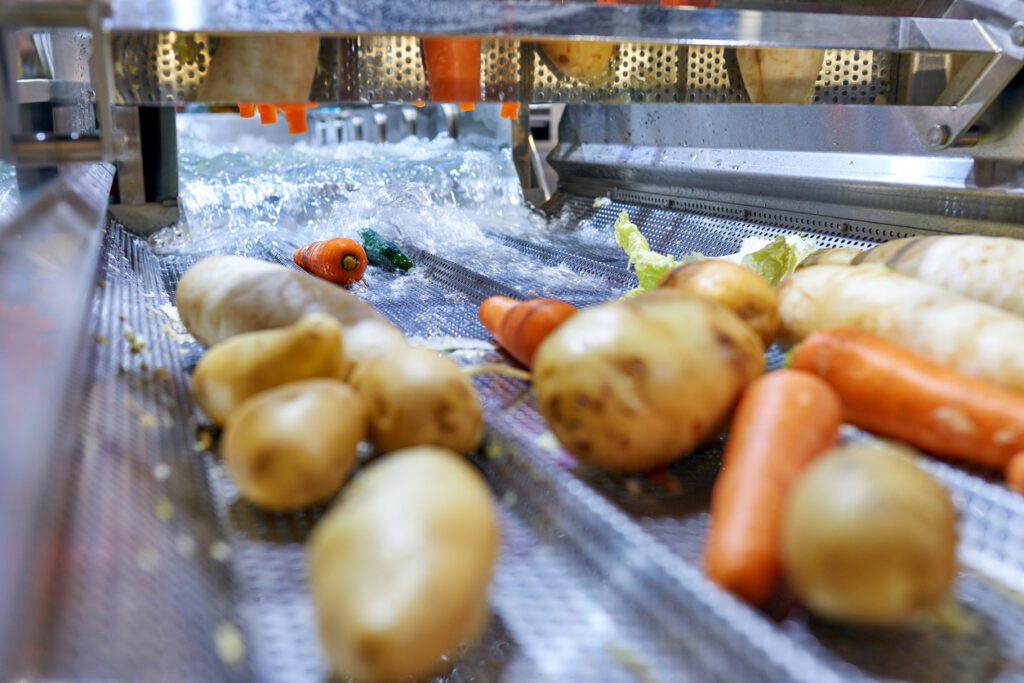
Food production is also generating significant reinvestment. Conagra Brands announced an approximately $220 million expansion of its Fayetteville manufacturing facility in March 2026.
The multi-year project is expected to create more than 100 jobs over five years and add capacity to the company’s frozen foods business.
Conagra’s expansion highlights the value of established operations in attracting additional capital. Existing facilities, experienced employees and longstanding community relationships provide a foundation for growth as companies modernize production and respond to changing customer demand.
For communities, retaining and expanding an existing employer requires sustained attention to operating needs. Utility capacity, workforce availability, transportation and permitting can all influence whether additional investment fits an established location.
For other food manufacturers considering Arkansas, an expansion such as Conagra’s provides a reason to investigate the surrounding support network, including packaging, equipment maintenance, temperature-controlled logistics and training resources appropriate to their own operations.
Lithium Opens a New Development Frontier
Southwestern Arkansas is advancing its position in the domestic battery materials supply chain. In August 2026, Smackover Lithium, a partnership between Standard Lithium and Equinor, announced a binding offtake agreement with LG Energy Solution for its South West Arkansas Project.
The agreement covers 8,000 metric tonnes of battery-quality lithium carbonate annually over ten years following the start of commercial production, with an estimated value of $1.5 billion.
It represents a future customer commitment rather than completed production, but marks an important commercial milestone for the project.
Arkansas is also supporting the sector through lithium-focused workforce initiatives and a sales and use tax exemption for qualifying investments. These efforts connect resource development with the training and business conditions needed to establish a new industry.

The next stage will require translating commercial interest into operating capability. Companies evaluating participation should distinguish between announced commitments, construction milestones and actual production schedules.
That approach helps suppliers plan staffing and capital expenditures around realistic demand. It also helps communities prepare for potential development without assuming every opportunity will arrive simultaneously.
As the sector progresses, coordination among project developers, educators, utilities and local officials will remain central to building a durable industrial foundation.
Preparing Communities for the Next Project
Industrial momentum depends on communities being prepared when opportunities arrive. In April 2026, Arkansas awarded $25 million to 22 communities through its Site Development Program to enhance industrial sites.
The state also offers workforce training assistance for new and existing employers. Its highway, rail and waterway connections provide multiple options for moving raw materials and finished products.
Site preparation can make those advantages more actionable. A prospective employer needs clear information about available acreage, utility service, access, development conditions and the schedule for any required improvements.
Communities that organize these details help companies evaluate a property against operational needs. Pairing site information with a realistic workforce assessment can further clarify whether a location is ready for a particular project and what additional work may be necessary.
For companies considering Arkansas, the next step is matching those statewide advantages with local requirements for labor, utilities, transportation and project timing.
Recent investments show several pathways for expansion, giving decision-makers a growing range of locations and industry networks to evaluate.