
Missouri’s central location, established manufacturing base and relatively affordable operating environment have long supported food production, logistics, automotive suppliers and distribution. The state’s newest wave of development adds a much larger digital-infrastructure component. A cluster of data-center and artificial-intelligence projects announced in 2026 is placing Missouri in competition for capital-intensive technology investment while established employers continue expanding in batteries, advanced manufacturing, biosciences and consumer products.
Hyperscale Investment Transforms Montgomery County
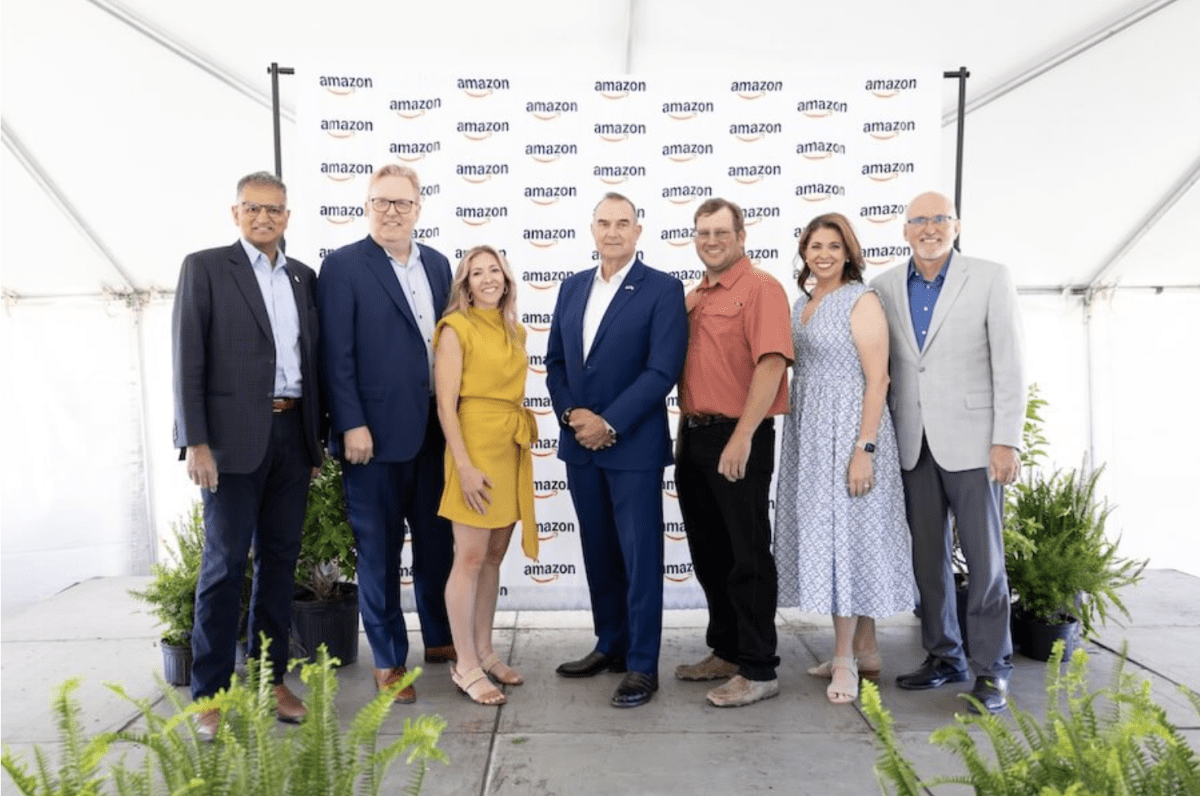
Montgomery County emerged as the center of that shift. In May 2026, Google announced a $15 billion investment in infrastructure that includes a new data center in New Florence. The company said the development would support thousands of construction jobs and hundreds of long-term operating positions, accompanied by investments in workforce training, local organizations and energy affordability. The announcement was followed in June by Amazon’s plan to invest $10 billion in a data-center campus in Montgomery City. That project is expected to create 400 direct jobs in addition to thousands of construction jobs and extensive infrastructure activity.
The two commitments demonstrate Missouri’s appeal for hyperscale development: available land, utility partnerships, interstate and fiber connectivity, and proximity to major Midwestern markets. They also raise the stakes for transmission, generation, water planning and community services. The economic impact of a data center depends not only on capital expenditure but on how effectively host communities capture construction work, technical careers, supplier contracts and lasting improvements to infrastructure. Missouri’s challenge will be to manage these investments as regional development platforms rather than isolated facilities.

Kansas City Builds an AI Infrastructure Cluster
Other technology investment is reinforcing the trend. Nebius broke ground in Independence on a gigawatt-scale artificial-intelligence infrastructure campus, while Metrobloks announced plans for a $1.4 billion data center in Liberty. These projects expand the Kansas City region’s role in cloud, AI and enterprise computing and create demand for electricians, technicians, construction trades and specialized maintenance providers. Workforce pipelines through community colleges, labor organizations and employer-led training will be essential as several large developments advance simultaneously.
Manufacturing Remains an Economic Anchor
Missouri’s industrial base remains a stabilizing force. Clarios announced an expansion in St. Joseph involving up to $390 million, 123 new jobs and retention of 936 existing positions. The battery manufacturer’s commitment is significant for northwest Missouri, where one large facility supports a wider network of suppliers and service businesses. Dakota Bodies announced more than $21.9 million and 172 jobs in Liberty, and Winland Foods disclosed a $38.5 million St. Louis expansion. IKO’s $120 million roofing-granule facility in Bismarck, announced in 2025, is expected to create more than 50 jobs and illustrates the continued value of rural manufacturing projects.
Biosciences and Agricultural Technology Expand
The state is also developing specialized growth in biosciences and agricultural technology. Sentio BioSciences announced a $10.6 million expansion and 58 jobs in Maryland Heights to increase domestic production of generic medicines, active pharmaceutical ingredients and related materials. Pivot Bio followed with a Hazelwood expansion of more than $7 million and 40 jobs. These investments align with Missouri’s research institutions, agricultural economy and existing strengths in plant science and health innovation.

Performance-Based Incentives Support Growth
Missouri’s principal performance-based incentive is Missouri Works, which allows qualifying companies to retain employee withholding taxes or receive refundable, transferable tax credits for job creation and investment. Several expansion announcements have used the program, often paired with Missouri One Start for customized recruitment and training. The BUILD program can support major projects through financing tied to tax-exempt revenue bonds, while local governments and utilities may contribute infrastructure or site-specific assistance. This layered structure gives the state flexibility to compete for both large campuses and smaller regional employers.
Growth Brings New Infrastructure Demands
Economic development policy will need to balance headline projects with broad-based readiness. Large technology campuses can strain housing, roads, schools and power systems even as they expand the tax base. Rural communities may need site preparation and workforce support to participate, while metropolitan regions must ensure that technical growth reaches residents without four-year degrees. State and local leaders will also need transparency around incentive performance, infrastructure costs and long-term employment.
Connecting the Digital and Industrial Economies
Missouri’s opportunity is to connect its new digital economy to its traditional strengths. Data centers and AI infrastructure require power equipment, fabricated components, logistics, maintenance and construction expertise—capabilities already present across the state. If Missouri builds those linkages, the current investment cycle can strengthen domestic supply chains, diversify regional economies and position the state as both the physical and digital crossroads of the country.
Statewide Connectivity Strengthens Missouri’s Position
Geography supports that ambition. Kansas City and St. Louis offer large labor markets, research institutions, airports and multimodal freight assets, while Interstate 70 connects the two metros through communities now attracting digital infrastructure. Springfield, St. Joseph and smaller manufacturing centers add specialized production capacity. By coordinating site development across regions, Missouri can offer companies different cost, workforce and utility profiles without losing the benefits of statewide connectivity. That flexibility may prove especially valuable as manufacturers seek resilient domestic locations near both suppliers and customers.