Nebraska continues to strengthen its position as a high-value destination for companies seeking to expand or relocate in the central United States. With a strategic geographic location, strong infrastructure, a skilled workforce and a consistent pro-business climate, the Cornhusker State offers a compelling platform for long-term investment.
From advanced manufacturing and food processing to logistics, data centers and ag-tech, Nebraska’s economy is diversified and resilient. State leaders have prioritized policies that reduce tax burdens, invest in workforce development and support site readiness — all factors that matter to corporate decision-makers evaluating new locations.
Strategic Location and Logistics Advantages
Located at the crossroads of America, Nebraska provides companies with efficient access to both coasts and major North American markets. Interstate highways, Class I rail service and multiple commercial airports support reliable freight movement. For manufacturers and distributors, this central location can translate into lower transportation costs and faster delivery times.
Nebraska’s logistics strength has helped drive growth in warehousing and distribution operations, particularly along the Interstate 80 corridor. Communities across the state continue to invest in shovel-ready industrial sites, certified locations and industrial parks to meet corporate demand.
Workforce Strength and Talent Pipeline
A key selling point for Nebraska is its workforce. The state consistently reports low unemployment rates and high labor force participation. Employers benefit from a culture known for strong work ethic, reliability and productivity.
Nebraska’s education and training ecosystem supports industry needs through community colleges, technical programs and university partnerships. Customized workforce training programs help companies onboard and upskill workers efficiently. Programs aligned with advanced manufacturing, robotics, precision agriculture, information technology and the skilled trades are especially robust.
In addition, Nebraska’s quality of life — including affordable housing, short commute times and safe communities — helps employers attract and retain talent.
Major Job Announcements and Industry Growth
Nebraska has seen steady announcements across several target industries. Food and beverage processing remains a cornerstone sector, supported by the state’s agricultural base and value-added production capabilities. Companies in meat processing, grain milling, dairy and packaged foods continue to invest in new capacity and facility upgrades.
Advanced manufacturing also remains a strong driver of job creation. Producers of machinery, fabricated metals, transportation equipment and building products have expanded operations, citing Nebraska’s workforce quality and central location.
The state has also gained traction in data centers and technology infrastructure, thanks to reliable power, competitive energy costs and a stable climate with relatively low natural disaster risk. As digital infrastructure demand grows nationwide, Nebraska is positioned to capture additional investment.
Agribusiness and ag-tech are natural fits for Nebraska’s economy. Innovation in precision agriculture, irrigation technology, seed genetics and farm management software has contributed to high-value job creation and research activity.
Competitive Incentives and Pro-Business Policy
Nebraska offers a range of incentives and programs designed to reduce project costs and encourage capital investment. The state has worked in recent years to modernize its tax and incentive environment to remain competitive in site selection projects.
Key advantages include:
- Performance-Based Incentives
Nebraska emphasizes performance-based incentives tied to job creation, capital investment and wage levels. This structure aligns public support with measurable economic impact. - Tax Advantages
Nebraska has taken steps to reduce corporate and individual income tax burdens, improve property tax competitiveness and eliminate certain taxes on business inputs. These changes can significantly improve project ROI for capital-intensive industries. - Workforce Training Support
Workforce development programs can help offset training costs for new or expanding companies. Customized training solutions through community colleges allow employers to tailor programs to their operational needs. - Site Development and Infrastructure Support
Nebraska communities often leverage local and state tools to prepare sites, extend utilities and support infrastructure improvements. This can shorten project timelines and reduce upfront costs for investors. - Financing and Grant Programs
Various financing tools and grant programs are available to support business growth, particularly in manufacturing, value-added agriculture and technology sectors. Public-private partnerships at the local level can further enhance project feasibility.
Energy Reliability and Sustainability
Energy reliability and affordability are increasingly important in corporate site selection. Nebraska benefits from a strong public power system and a diverse energy mix. The state has also expanded renewable energy generation, particularly wind power, giving companies options for sustainability goals.
Reliable electricity and water infrastructure are especially attractive for data centers, food processors and manufacturers with high utility demands.
Business Climate and Regulatory Environment
Nebraska’s regulatory environment is widely viewed as predictable and business-friendly. State and local leaders often take a collaborative approach to economic development projects, working closely with companies from site search through project completion.
Right-to-work status and a generally stable regulatory framework provide additional confidence for investors. Companies frequently cite Nebraska’s straightforward permitting processes and responsive local leadership as advantages.
Quality of Life as a Competitive Edge
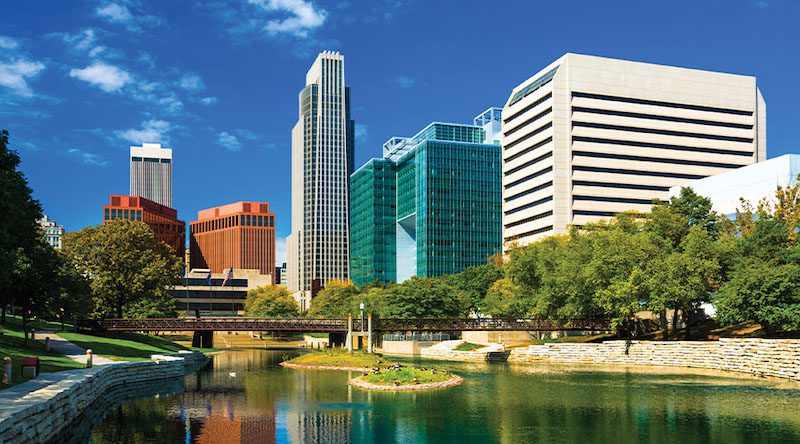
Beyond cost factors, Nebraska offers a strong quality-of-life proposition. Cities such as Omaha and Lincoln provide urban amenities, cultural attractions and growing innovation ecosystems, while smaller communities offer affordable living and tight-knit environments.
Low congestion, strong schools and access to outdoor recreation contribute to employee satisfaction. For many relocating executives and workers, Nebraska delivers a balanced lifestyle that supports both career and family needs.
Outlook for Continued Growth
Looking ahead, Nebraska’s focus on workforce development, tax competitiveness and infrastructure readiness positions the state well for future growth. Target sectors such as advanced manufacturing, food processing, logistics, ag-tech and data infrastructure are expected to remain priorities.
As companies reassess supply chains, seek central U.S. locations and prioritize cost efficiency, Nebraska stands out as a pragmatic choice. Its combination of location, workforce and pro-business policy creates a stable environment for long-term investment.
For companies evaluating expansion or relocation in the Midwest, Nebraska offers more than just geographic centrality — it provides a supportive ecosystem for growth, innovation and operational success.