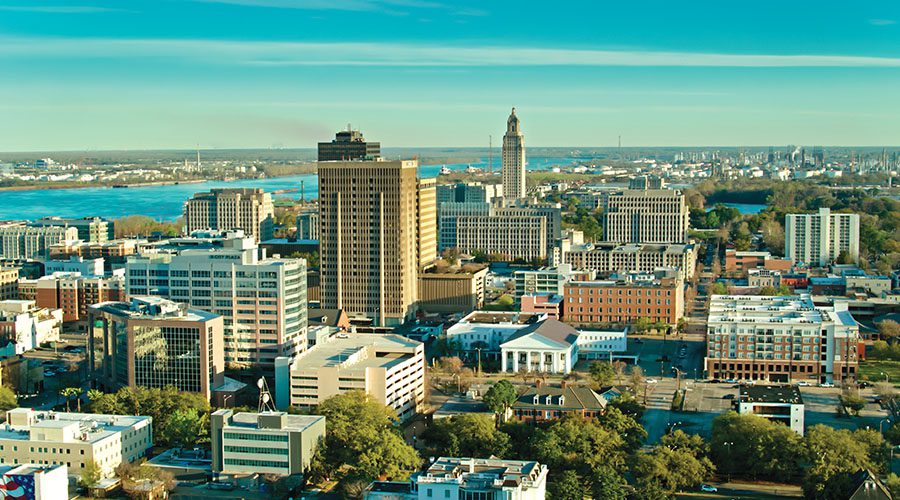
Louisiana has long been recognized for its strategic location, industrial strength and access to global markets. Today, the state is building on those advantages with new investment, a stronger focus on site readiness and a growing reputation in energy, advanced manufacturing, logistics and technology.
From the ports of south Louisiana to emerging technology activity in the northern and central regions, Louisiana offers companies a platform for growth across both legacy industries and next-generation sectors. Energy, petrochemicals, aerospace, agribusiness, logistics, life sciences and digital infrastructure all contribute to a diverse economic development landscape.
Strategic Access to Global Markets
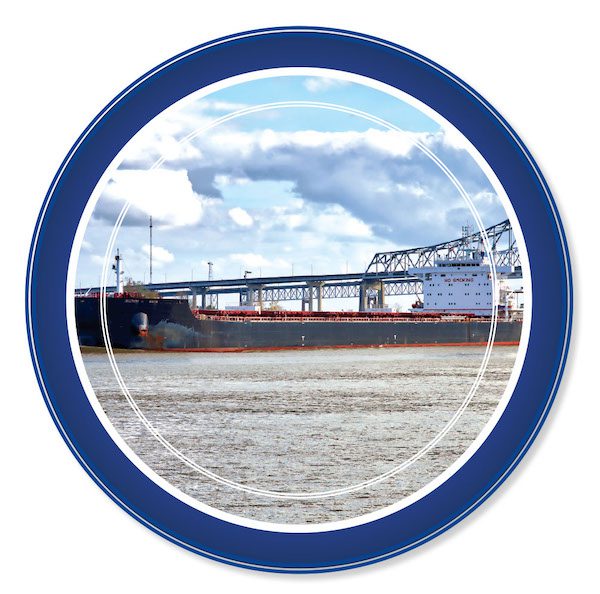
Louisiana’s geography remains one of its greatest competitive advantages. The state sits at the center of Gulf Coast commerce, with access to the Mississippi River, the Gulf of Mexico, major interstate corridors, rail service, airports and one of the nation’s most extensive port systems.
For companies moving raw materials, energy resources, agricultural products or finished goods, Louisiana offers a logistics network built for scale. Its ports connect domestic producers to international markets, while its highway, rail and pipeline infrastructure support efficient movement across North America and beyond.
This access has helped make Louisiana a long-standing leader in energy, petrochemicals, maritime commerce, agribusiness and international trade. It also positions the state well as companies look for resilient supply chains and locations capable of supporting large-scale industrial development.

Energy Strength and Industrial Innovation
Louisiana’s energy economy continues to evolve. While the state remains a national leader in traditional energy and process industries, it is also seeing increased interest in liquefied natural gas, carbon management, hydrogen, renewable fuels and other energy innovation opportunities.
The state’s industrial base, pipeline network, water access and experienced workforce make it a strong fit for companies operating in complex production environments. Existing strengths in refining, chemicals, gas processing and maritime logistics provide a foundation for both traditional and emerging energy investments.
As global energy demand changes, Louisiana has an opportunity to remain a leader while attracting the next generation of projects tied to lower-carbon industrial development, power-intensive operations and advanced manufacturing.
Technology Investment Adds Momentum
Louisiana is also gaining attention for technology and data infrastructure investment. Project activity in artificial intelligence, data centers and digital infrastructure has expanded the state’s profile among companies seeking land, power, water, fiber and long-term development capacity.
This growth is helping broaden Louisiana’s economic identity beyond its traditional industrial strengths. Communities that once focused primarily on manufacturing, logistics or energy projects are now entering the conversation for technology-driven development.
For site selectors, this shift is important. The same assets that support heavy industry — reliable power, land availability, utility coordination and regional partnerships — can also support high-performance computing, cloud infrastructure and advanced digital operations.
Site Readiness Supports Speed-to-Market
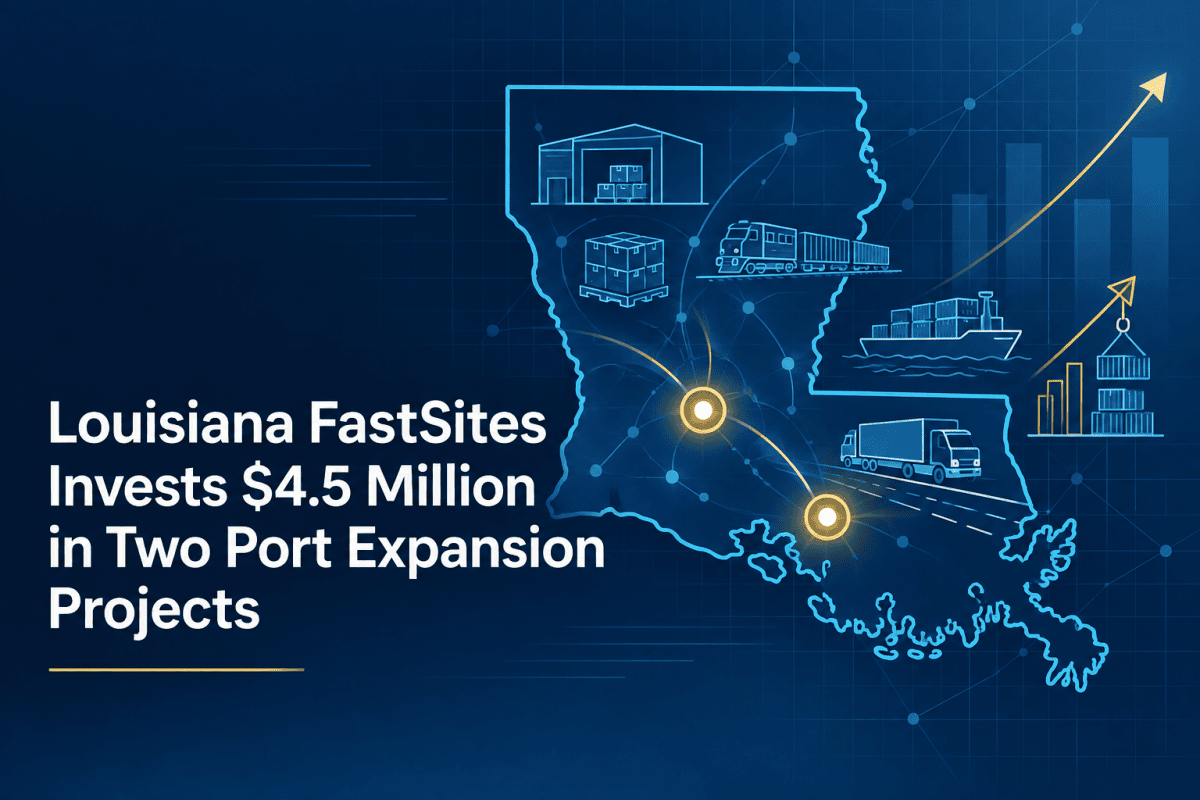
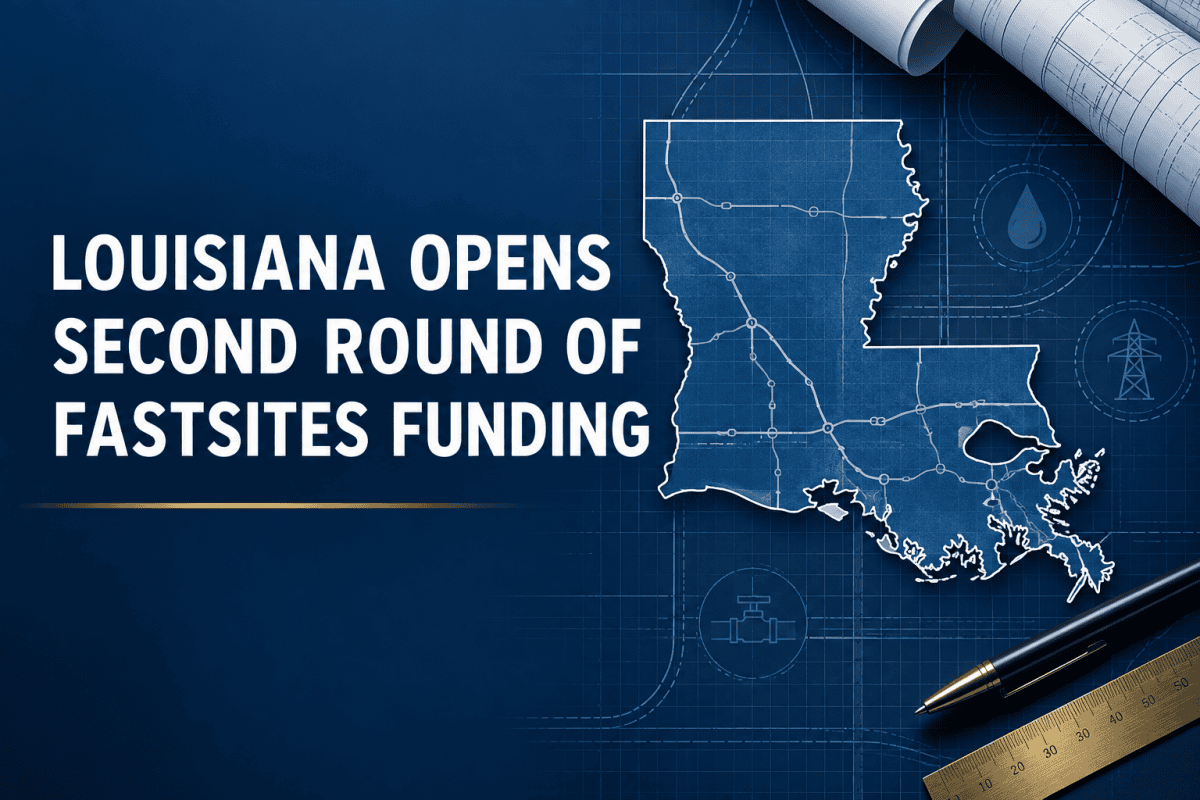
Speed is a major factor in today’s site selection process, and Louisiana has worked to improve its inventory of development-ready properties. Through certified site efforts and the FastSites initiative, the state is advancing locations that have completed key due diligence, infrastructure planning and readiness work.
This is especially important for high-impact projects that require clear timelines, utility solutions, transportation access and reduced development risk. Companies are no longer looking only for available land; they want sites that can move quickly from decision to construction.
By investing earlier in site preparation, Louisiana is strengthening its ability to compete for advanced manufacturing, logistics, energy, technology and industrial projects that require both scale and speed.
Workforce Supports Business Growth
Louisiana’s workforce strategy is another important part of its economic development value. The state has built a strong reputation for customized training and employer support, helping companies recruit and prepare workers for specific operational needs.
That support is especially valuable in industries requiring technical skills, safety training, industrial experience and rapid hiring. From process technicians and welders to logistics workers, engineers, IT professionals and advanced manufacturing talent, Louisiana’s education and training partners are aligned with business needs.
Universities, community and technical colleges, workforce boards and regional economic development organizations all help prepare talent pipelines that support company growth.
Regional Strengths Create Statewide Opportunity
Louisiana’s regions each bring distinct advantages. Greater New Orleans offers port access, technology momentum, professional services and global connectivity. Baton Rouge and the Capital Region are anchored by energy, chemicals, higher education and industrial activity. Southwest Louisiana is a major hub for LNG, petrochemicals and maritime commerce. North Louisiana continues to grow in logistics, manufacturing, aerospace, defense and data infrastructure, while Central Louisiana offers land, workforce and utility advantages for large-scale projects.
Together, these regional strengths give Louisiana a statewide platform that can support both traditional and emerging sectors.
Looking Ahead
Louisiana enters its next chapter with strong economic development momentum. Major capital investment, prepared sites, workforce support and leadership in energy and logistics are helping reshape the state’s competitive position.
For companies seeking global access, industrial depth, available sites and room to grow, Louisiana offers a compelling business case. As industries evolve, the state is working to prove that its historic strengths can power the next generation of energy, manufacturing, technology and logistics investment.