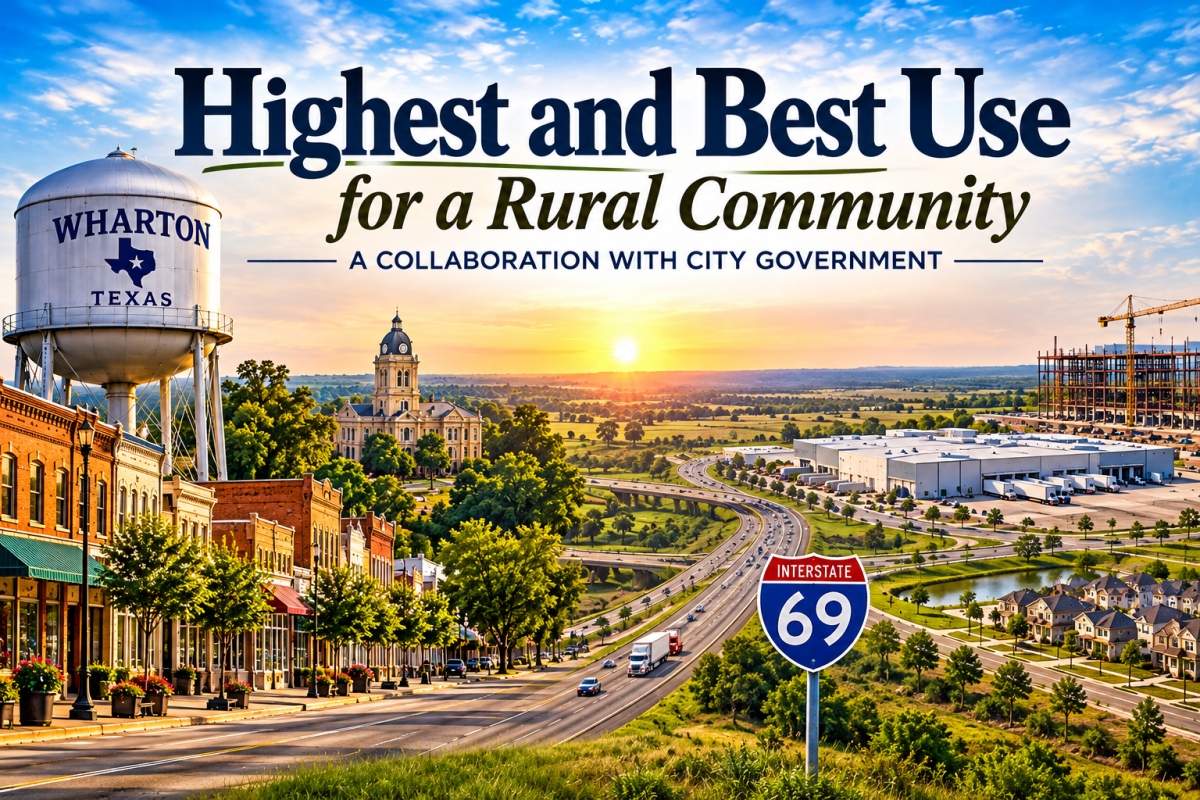
The City of Wharton, Texas, located southwest of Houston, Texas, is a rural community that is growing and therefore changing. The City of Wharton has a population of 9,100, but according to development trend(s) and regional growth projections, the city could potentially double in population within the next 6 to 10 years. The potential growth is driven by the expansion of the Houston Metropolitan Statistical Area (MSA), which encompasses 10 counties and continues to attract new residents because of strong employment opportunities, manufacturing expansions, and business investments throughout the region.
For a rural community, rapid growth can create tremendous opportunities, but it can also bring significant challenges if the community is not prepared. Rapid growth affects nearly every facet of a city, including housing, transportation, utilities, schools, retail, employment, public safety, infrastructure, and a community’s overall character. Today’s decisions can determine whether future growth becomes an asset that strengthens a city like Wharton or a challenge that places unnecessary pressure on existing residents and businesses.
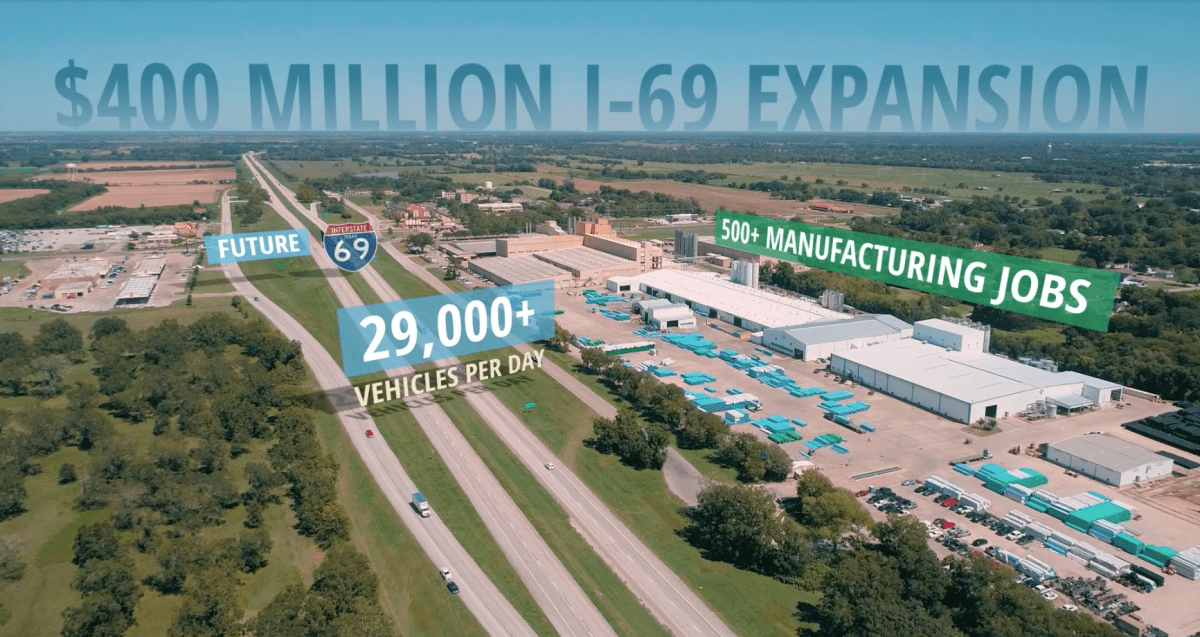
The City of Wharton is uniquely positioned to benefit from regional growth. The city sits along the Interstate 69 corridor, which is currently under construction near the city limits and will eventually become a major transportation link from the Houston MSA to the new international border crossing with Mexico in Laredo, Texas. Wharton’s strategic location, coupled with the expansion of the Interstate 69 corridor, creates opportunities for industrial, commercial, residential, logistics, and mixed-use development. Thereby, a well-planned community can create a cycle of growth in which each component supports the others.
The Houston MSA and surrounding counties have already experienced tremendous growth. Over the past decade, many communities located on the outskirts of the City of Houston have rapidly transitioned from rural communities into full-fledged cities. Areas that were once primarily agricultural/rural are now master-planned communities with thousands of new homes, shopping centers, businesses, and industrial developments.
For development to succeed, citizens and the city must work as partners. The goal should not simply be to attract development, but to attract the right types of development in the right location. This requires communication and collaboration among property owners, developers, businesses, residents, and local governments.
The concept of “Highest and Best Use” is particularly important as Wharton prepares for its next stage of Growth. Every piece of property has characteristics that make it more or less suitable for certain types of development. Some locations may be ideal for residential development, while others may be better suited for manufacturing, industrial uses, retail, offices, logistics, or mixed-use development. This information may be in the City of Wharton Future Land Use Plan; however, the City of Wharton currently has no zoning. On the surface, the lack of zoning adds flexibility to developing areas in and around the city and in the extraterritorial jurisdiction (ETJ). Still, it also fails to protect property rights without zoning serving as the rulebook for development. Thus, planning and development may occur in locations that do not represent the best long-term use of the property or may negatively affect surrounding properties’ values. A manufacturing operation, for example, may be appropriate in one area because of its access to highways, rail, utilities, and adequate separation from residential neighborhoods. At the same time, the same use may not be appropriate next to an established residential community.
Strategic planning is key to providing the community flexibility while also providing a framework for responsible development. The City of Wharton is beginning the process of developing a new comprehensive master plan. A new comprehensive plan will help identify the appropriate areas for the types of development desired by both developers and the community. A well-thought-out comprehensive master plan will provide a roadmap for future growth, including manufacturing and industrial areas, residential neighborhoods, mixed-use developments, retail and commercial areas, and quality-of-life amenities. Some view zoning as a bad word or as good in theory but not in practice, but well-thought-out zoning, future land-use planning, and a strong comprehensive plan are crucial development tools that can protect Wharton’s existing community structure while preparing for the city’s future. The objective is not to restrict growth, but to guide it in a way that benefits the entire community.
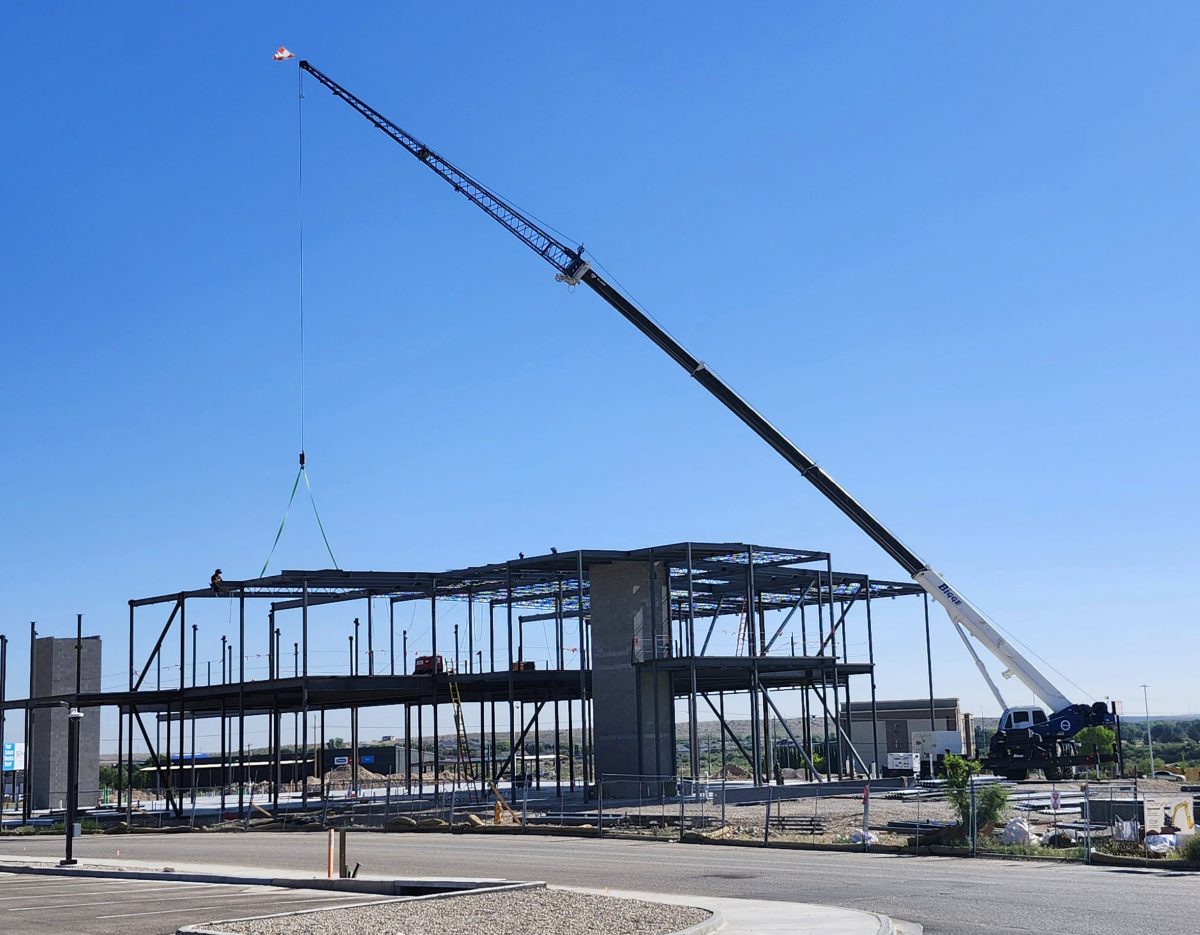
 One of the most important components of future development is infrastructure. Industrial, manufacturing, and data center development(s) within the City of Wharton and in Wharton County have led to an increase in interest from developers seeking locations with access to highways, rail, utilities, and other critical infrastructure. Meanwhile, potential developments will require installing and/or expanding water, wastewater, drainage, roads, electricity, and fiber in both the city and county. These needs represent a significant financial challenge, but also create an opportunity for the city, property owners, and developers to work together now and in the future.
One readily achievable way for businesses and the city to collaborate is through Development Agreements. These agreements can establish a framework for addressing infrastructure needs and can include financial tools such as Public Improvement Districts (PIDs) and Tax Increment Reinvestment Zones (TIRZs). These economic development tools can help offset infrastructure and development costs while supporting the redevelopment of blighted, underdeveloped, and/or underserved areas that the City of Wharton has identified as priorities for improvement.
When structured properly, these financial tools have proven to be a “Win” for both the developer and the community. The developer gains an opportunity to develop property that may otherwise be difficult or costly. In contrast, the city gains new investment, infrastructure, housing, businesses, and expanded employment opportunities, leading to an expanded tax base.
Three years ago, the City of Wharton created its first Tax Increment Reinvestment Zone (TIRZ) and a Public Improvement District (PID) to support development and facilitate the construction of 223 homes along Highway 60 to Bay City, Texas. This example demonstrates what can happen when the city and private development interests work together toward a common objective. Instead of development occurring independently, the City can partner to create the infrastructure and planning framework needed to make a project successful while ensuring the development contributes to the broader community.
As construction of Interstate 69 continues through Wharton and population growth from the Houston MSA continues moving toward our community, Wharton is increasingly attracting interest from mixed-use developers, industrial users, housing developers, and other businesses. So, the question is: how will the City of Wharton manage present and future growth? The city has an opportunity to establish a vision for the future while preserving the character and investments that make Wharton a desirable community. The vision should recognize the needs of existing residents while also creating opportunities for new residents, businesses, and investments. The City of Wharton’s success depends on collaboration because city government cannot create successful developments alone; likewise, developers cannot create successful communities alone.
By bringing all interested parties together to develop new zoning ordinances, the City of Wharton can guide development and infrastructure to the highest and best use, with the overall objective of responsible growth that strengthens the entire community.
The City of Wharton can learn from the rapid growth experienced by communities closer to Houston. Through comprehensive planning, smart development policies, applied zoning, strategic infrastructure investment, and public-private partnerships, the City can create a framework that welcomes investment while protecting the community’s long-term interests. And growth does not have to mean losing what makes Wharton special and unique. Growth can provide the resources and opportunities needed to strengthen the community, protect property values, expand the local economy, create new housing and employment opportunities, and increase the value and potential of existing properties.
I invite you to be part of the City of Wharton’s growth, where you and your business can succeed now and into the future.
Contact:
Courtland Holman
Executive Director
Wharton Economic Development Corporation
execdirector@whartonedc.com
(979) 531-9015 • https://www.whartonedc.com/