Aerospace Expands Into Emerging Markets
Aerospace remains indispensable.
Boeing and its supplier network continue to shape employment, exports and advanced-manufacturing skills across Puget Sound and central Washington. The state’s opportunity is not limited to conventional aircraft: space systems, uncrewed technologies, sustainable aviation fuels and next-generation materials can extend the cluster into faster-growing markets. Portal’s expansion adds a commercial-space dimension, while Washington’s clean-energy policies and abundant research expertise support efforts to reduce aviation emissions.
 Clean Manufacturing Reaches Rural Communities
 Clean Manufacturing Reaches Rural Communities
Clean manufacturing is also moving into rural areas. In Walla Walla County, state support helped advance a sustainable aviation fuel facility at the Port of Walla Walla. The project has been projected to create up to 600 construction jobs and roughly 100 permanent positions once production begins. In Sunnyside, a $250,000 Strategic Reserve Fund investment is supporting site upgrades for Manzana Products Company’s apple-processing operation, which will produce organic juice, sauce and cider vinegar. The project connects economic development with the Yakima Valley’s agricultural base and adds value close to where crops are grown
Infrastructure Programs Support Regional Development
Other Strategic Reserve projects have supported engineered wood, food processing and manufacturing expansions, illustrating the program’s geographic range. These investments may be smaller than a semiconductor fab or hyperscale data center, but they can be transformational in communities where one plant supports growers, truckers, maintenance contractors and local tax revenue. Washington’s Community Economic Revitalization Board provides another important tool, financing public infrastructure and feasibility work tied to private job creation.
Manufacturing Growth Strengthens Export Capacity
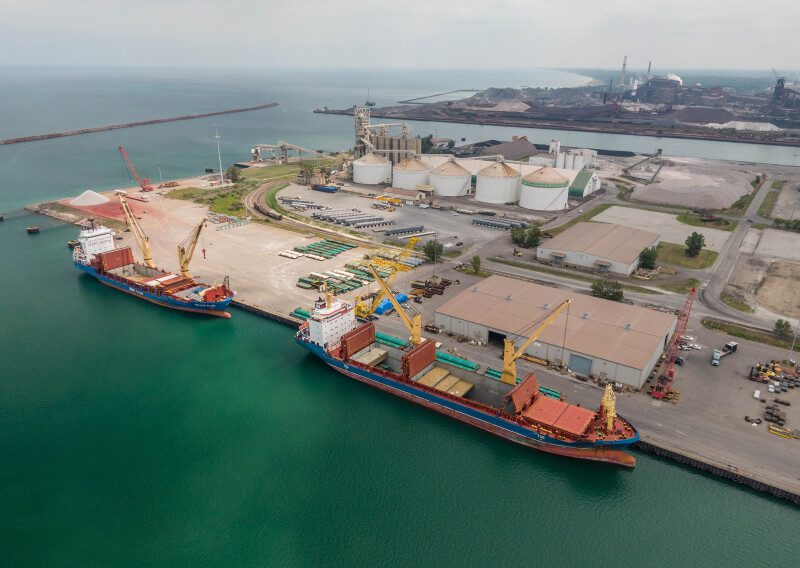
The state is renewing its emphasis on manufacturing capacity. The Evergreen Manufacturing Growth Grants support business expansion, technology adoption, workforce development and industry collaboration across key sectors. Commerce awarded $1 million through the program in August 2026. These grants complement export assistance, recruitment services and sector strategies administered by the Department of Commerce. Washington companies export nearly $80 billion in goods annually, so production growth is closely linked to port, rail and international-market competitiveness.

Growth Creates Cost and Capacity Challenges
Washington’s strengths come with notable cost and policy challenges. Housing shortages, permitting timelines, energy availability and transportation congestion can complicate expansion, particularly in the Puget Sound region. Rural communities may offer land and lower costs but often require infrastructure investment and specialized workforce programs. The state must also protect the reliability and affordability of its relatively clean electric system as data, manufacturing and transportation loads grow.
Statewide Coordination Becomes a Priority
Governor Ferguson created an Economic Development Council in June 2026 to coordinate strategy across these issues. The council’s work can help Washington move from a collection of strong sectors toward a clearer statewide competitiveness plan—one that aligns housing, workforce, infrastructure, energy and business recruitment. Such coordination is especially important because innovation-driven companies make location decisions quickly and compare entire ecosystems, not just incentive values.
Commercialization Remains Washington’s Advantage
Washington’s most durable advantage is its capacity to move ideas into global markets. Research institutions, major technology employers, skilled engineers, ports and a culture of entrepreneurship create a strong commercialization platform. By using targeted funds to secure emerging projects, supporting manufacturing in rural communities and addressing the cost of growth, the state can preserve its leadership in aerospace and software while building nationally important positions in quantum computing, space systems, sustainable fuels and clean production.
Workforce Inclusion Broadens the Benefits
Apprenticeships, community-college programs and supplier development can extend opportunities beyond technology corridors. Connecting rural manufacturers and underrepresented workers to emerging clusters would strengthen labor supply and broaden public benefits.